
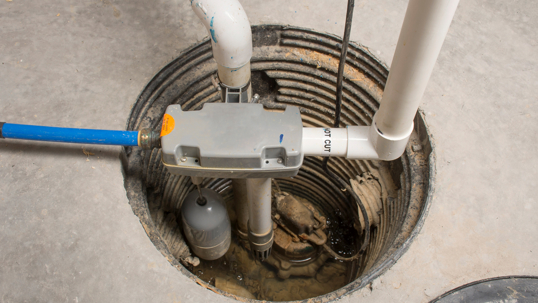
When heavy rainstorms or rapid spring thaws hit the Lloydminster area, thousands of gallons of water saturate the ground around your home's foundation. If your basement drainage system isn't prepared to handle the sudden influx, a single storm can lead to catastrophic water damage and costly basement flooding. [1, 2]
For homeowners in central Alberta and Saskatchewan, proactive maintenance is the only way to guarantee your property remains dry. Instead of waiting for a crisis on a stormy night, taking a few strategic steps to check, clean, and test your basement plumbing will save you thousands of dollars in emergency restoration fees.
This comprehensive guide details exactly what to do with your sump pump to prepare for heavy weather, how to perform seasonal maintenance, and when to bring in a professional plumbing technician. [1, 2]
The Pre-Storm Checklist: What to Do with Your Sump Pump
Before a major weather event arrives, walk through these four essential diagnostic and maintenance steps to ensure your home drainage network is completely operational:
1. Clean out the Sump Pit Sediment
- The Problem: Sump basins naturally collect sludgy dirt, small stones, and laundry lint over time. If a thick layer of muck builds up at the bottom of the plastic basin, it will clog the pump's intake screen, causing the motor to work twice as hard or burn out completely. [1, 2, 3]
- The Action: Unplug the unit, lift it carefully out of the pit, and scrape away any packed silt or debris from the bottom grates with a stiff brush. Manually scoop out any accumulated mud and gravel from the bottom of the basin before placing the pump flat back into the clean pit. [1, 2, 3, 4, 5]
2. Exercise and Test the Pump Manually
- The Problem: A pump that sits idle for months during dry spells can experience mechanical binding or a frozen float switch. You do not want to find out your pump is seized after water begins breaching your basement floor. [1]
- The Action: You must exercise your pump at least once a year—ideally right before the spring thaw or summer storm season. To test it, slowly pour a 5-gallon (19-litre) bucket of water directly into the basin. Watch the float switch rise like a buoy, verify that the motor kicks on smoothly, listen for the click of the check valve, and ensure the water level drops rapidly. [1, 2, 3, 4, 5]
3. Inspect the One-Way Check Valve
- The Problem: The check valve is the plastic cylinder installed on your vertical discharge pipe. Its job is to prevent water from rushing backward into the pit when the pump cuts off. If the internal seal fails, pumped water drains right back down, trapping your system in an endless, short-cycling loop until the motor burns out. [1, 2, 3, 4]
- The Action: While running your bucket test, watch the pipe closely after the motor shuts off. If you hear a loud thud or see water rapidly refilling the pit from the pipe, your check valve needs immediate replacement. [1, 2, 3, 4]
4. Direct Discharge Lines Away from Your Foundation
- The Problem: If your sump line isn't tied into a municipal storm drain, it expels water onto your property. Dumping that water directly next to your foundation walls creates a costly recirculation loop, as gravity pulls the same water right back through the soil into your pit. [1, 2]
- The Action: Ensure your exterior discharge line extends a minimum of six to ten feet (2 to 3 meters) completely away from your home. It should slope downward toward a drainage ditch, swale, or your yard perimeter. In early spring, ensure the end of this line is free of packed ice and snowdrifts. [1, 2, 3, 4, 5]
Sump Pump Component Blueprint
Understanding the anatomy of your home's water defense system helps you diagnose weak spots before a storm hits:
Core Operational Role | Failure Warning Sign | Prevention Pathway | |
Float Switch | Automatically toggles power when water levels rise. | Pump runs constantly or refuses to turn on at all. | Adjust pump position so the float does not pin against the basin wall. |
Intake Screen | Filters out stones and large debris from entering the motor. | Pump hums loudly but the water level drops incredibly slowly. | Manually clean out pit sludge and gravel annually. |
Check Valve | Prevents pumped wastewater from draining backward. | Sump pump turns on and off every few seconds (short-cycling). | Replace worn rubber flapper seals before storm seasons. |
Battery Backup | Provides secondary power during grid failures. | Alarm sounds on the backup box or the secondary pump fails to activate. | Test battery terminals and replace the backup battery every 3 to 5 years. |
If your bucket test reveals a failing switch, a cracked check valve, or an unreliable motor, you can book a fast preventative visit through the R&D Plumbing & Heating Local Repair Service to restore your system's integrity before the clouds roll in.
[ Proactive Sump Pump Maintenance ]
1. Clean the Basin 2. Run Bucket Test 3. Extend Discharge Line
+------------+ +------------+ \
| | |~~~~H2O~~~~~| \=======> Drains 6-10ft
| [Scoop Mud]| | [Motor] | Away from
+------------+ +------------+ Foundation
(Removes Silt) (Tests Switch) (Prevents Loop Leaks)
Frequently Asked Questions (FAQ)
What should I do with my sump pump if the power goes out during a heavy rainstorm?
Standard sump pumps run on AC household electricity and will completely stop working during a power outage. To keep your basement protected, you should install a battery backup sump pump system. This secondary, 12V DC-powered pump sits slightly higher in the pit and activates automatically if the primary pump loses power or gets overwhelmed by severe water volume. [1, 2, 3, 4, 5]
Is it normal for a sump pump to run constantly during a heavy thaw?
Yes, during peak snowmelt or extended torrential downpours, a constant stream of ground water entering the pit can keep the pump running frequently. However, if it runs non-stop without a break for hours, you must check for an exterior pipe blockage, a stuck float switch, or an undersized pump motor that can't keep up with the local water table. [1, 2, 3, 4, 5]
Should I pour antifreeze down my sump pit in the winter?
No, never pour automotive antifreeze into your sump pit, as it contains toxic chemicals that pollute local soil and waterways. If you are worried about lines freezing in Lloydminster's harsh winters, ensure your exterior lines drain completely via gravity and use an insulated "freeze guard" attachment on your exterior discharge pipe. [1, 2]
Final Verdict: Protect Your Property with Proactive HVAC and Plumbing
Don't wait for rising waters to tell you your drainage network has failed. Spending 15 minutes checking your lines, clearing out basin sediment, and exercising your pump ensures your home can withstand any severe weather central Alberta and Saskatchewan throw at it.
If your sump system is over 7 years old, makes a grinding noise, or you want the peace of mind of a professional inspection before the wet season hits, the licensed technicians at R&D Plumbing & Heating have provided honest, transparent local service since 1987. Request an upfront estimate today by visiting our R&D Plumbing Fixtures and Maintenance Booking Page or call (780) 875-9435 for immediate assistance.