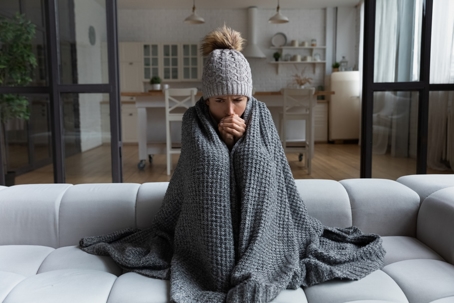
Nothing disrupts the comfort of a cold winter evening like a gas furnace blowing cold air. Instead of enjoying steady warmth, you find yourself dealing with chilly indoor temperatures and a heating system that refuses to function correctly.
For families and businesses in the Lloydminster area, where extreme drop-offs in winter temperature place immense pressure on residential HVAC networks, a sudden loss of heat is a time-sensitive emergency. Deciding whether a shivering house requires a quick, zero-cost DIY adjustment or an urgent service call depends entirely on diagnosing the root mechanical cause.
This comprehensive technical guide breaks down why your furnace is blowing cold air, provides an actionable diagnostic checklist, and details when to call a professional technician.
The Immediate Diagnostics: Is It a Simple Fix or a Component Failure?
When a furnace loses its heating capacity, the system often continues to push cold or lukewarm air through your ductwork. Use this professional troubleshooting matrix to evaluate your HVAC hardware before scheduling a repair:
1. Check the Thermostat Fan Setting ("ON" vs. "AUTO")
- The Cause: If your thermostat fan switch is manually set to "ON," the blower fan will run continuously. On older, traditional heating systems, this meant the fan blasted full-power, unheated room air through your vents between heating cycles, making it feel like the system was broken.
- The Diagnostic: It is important to know that continuous fan operation is actually a beneficial design feature in modern HVAC networks. Most newer high-efficiency furnaces use variable-speed or constant-torque blower motors. These are intentionally engineered to run 24/7 on a very low, whisper-quiet speed. This constant, low-speed circulation is an excellent thing—it eliminates cold spots by closing the temperature gap between different rooms, balances humidity, and provides continuous air filtration.
- The Fix: If you prefer the system to only move air when the burners are actively firing, toggle your thermostat setting to "AUTO." However, if you notice the air feels chilly between cycles but your home is maintaining its overall target temperature, your modern variable-speed motor is likely doing its job perfectly. If the air stays freezing and the room temperature keeps dropping, move to the next step.
2. Inspect for a Clogged Furnace Air Filter
- The Cause: A severely restricted, dirty air filter blocks essential airflow into the heating cabinet. This lack of circulation causes internal temperatures to spike, triggering the high-limit safety switch to trip. The furnace automatically shuts down its burners to prevent a fire or a cracked heat exchanger, but it keeps the blower fan running to cool the system down.
- The Fix: Pull the filter out and inspect it. If it is coated in dust, pet dander, or construction debris, replace it immediately with a fresh, high-efficiency filter to restore normal airflow.
3. Clear Exterior High-Efficiency Vent Pipes
- The Cause: Modern, high-efficiency furnaces vent through white PVC pipes that exit through the side of your home. In the Lloydminster region, heavy wind drifts and heavy snowfall frequently block these intake and exhaust ports. When air paths are blocked, internal pressure sensors trigger an automatic safety shutdown.
- The Fix: Walk outside your property and clear away any accumulated snow, ice, or leaf debris blocking the PVC pipes.
4. Verify the Pilot Light or Electronic Ignition Status
- The Cause: If you own an older furnace model with a standing pilot light, the flame may have blown out due to a draft or a failing thermocouple sensor. For newer units, a dirty or oxidized flame sensor rod cannot detect a burner ignition, causing the computer controller to cut the gas supply for safety.
- The Fix: If you are comfortable doing so, inspect the burner assembly window. If an older pilot light is out, follow the manufacturer guidelines to safely relight it. For modern electronic systems, cleaning or replacing a flame sensor requires a licensed technician.
Technical Component Lineup: Furnace Safety and Ignition Systems
When simple adjustments fail, the root cause usually stems from a failing or safety-tripped mechanical component inside your primary heating unit.
Failed Component | Mechanical Role | Impact on Air Temperature | Resolution Pathway |
High-Limit Switch | Monitors internal heat levels inside the furnace cabinet. | Shuts down burners due to overheating while running the blower continuously. | Replace dirty air filters or clear obstructed return vents to lower internal temperatures. |
Flame Sensor Rod | Detects the presence of gas combustion within the burner tray. | Cuts the gas valve if no flame is detected, preventing raw gas accumulation. | Requires a professional technician to remove, clean, or replace the oxidized metal sensor rod. |
Igniter / Glow Plug | Uses electric current to light gas burners safely. | Prevents gas from igniting, meaning the blower fan only circulates unheated room air. | Full part replacement by a certified specialist. |
Gas Supply Valve | Controls the fuel flow directly into the furnace burners. | Prevents heating fuel from reaching the unit if closed or malfunctioning. | Verify exterior gas meters are open; consult a professional if the electronic valve fails. |
If you hit a roadblock walking through these steps, you can book an onsite diagnostic visit through the R&D Plumbing & Heating Furnace Repair Service to pinpoint the technical issue before your home drops to freezing temperatures.
[ Standard Gas Furnace Airflow Path ]
Cold Return Air Air Filter Burners & Heat Exchanger
===============> [|||||||||||||||] ===> ( ( 火 火 火 火 ) )
| ||
Traps Dust & Dirt Warms the Air Flow
| ||
v v
[ Blower Fan Motor ] =======> Heated Supply Vents
Frequently Asked Questions (FAQ)
Should I turn my furnace completely off if it is blowing cold air?
No, do not immediately shut off the main power switch or breaker if you see the system acting up. While your first instinct might be to cut the power, doing so completely resets the furnace's control board memory. This erases the stored diagnostic fault codes. The system might start working temporarily after a power reset, but the underlying issue will remain, making it much harder for a technician to accurately pinpoint the malfunction. Instead, look through the small sight glass on your lower furnace door panel to count the blinking LED light sequences (e.g., two short flashes, one long flash). Note this code down as your starting point, and then call a licensed technician to safely diagnose the root cause.
How do I know if my furnace is short cycling?
Short cycling occurs when your furnace turns on and off rapidly every few minutes without completing a full, comfortable heating cycle. This behavior is frequently tied to blocked airflow (like a dirty filter), a broken thermostat, or an oversized unit, which causes internal components to overheat and trip safety overrides.
Can a dirty furnace filter really cause freezing air to come out?
Absolutely. A clogged filter starves the system of moving air. Without cool air flowing across the heat exchanger, temperatures inside climb instantly. The furnace trips its high-limit sensor, shuts off the gas flame for fire safety, and blasts the blower fan to cool down the internal metal.
Final Verdict: Prevent Emergency Failures in Lloydminster
Don't let minor heating issues transform into a costly mid-winter breakdown. If your furnace continues to push cold air, cycles on and off irregularly, or is accompanied by unusual loud noises, bypass temporary DIY fixes. Investing in an annual check-up optimizes your energy consumption, reduces your monthly heating bills, and extends the operational lifespan of your equipment.
If you are dealing with a cold home or require emergency help on a freezing night, the team at R&D Plumbing & Heating has delivered trusted HVAC solutions across the Lloydminster region for over 35 years. Request an upfront, transparent estimate today by exploring the R&D Furnace Maintenance and Repair Booking Page or call (780) 875-9435 for immediate, priority service assistance.